
Toronto Club Etiquette
The dress code and door policy are publicly stated. The bottle minimum is on the menu. What's not stated — and what most visitor guides skip entirely — is the layer of unspoken social rules that determine whether your Toronto club evening goes well or badly. How to arrive at the door without being read as a problem. What to do if you get refused entry (the answer is not "argue"). How to manage your group when six of you are in line and the door is letting in three at a time. How to interact with someone you're interested in without triggering the social-awareness that Toronto nightlife crowds run with. How to tip your bottle service host without underpaying or overpaying. How to handle yourself if you see someone being harassed. This is the editorial guide to the social fabric that holds Toronto nightlife together — not the rules in the venue's policy document, but the norms that experienced locals operate by automatically and that newer visitors often discover by getting them wrong.
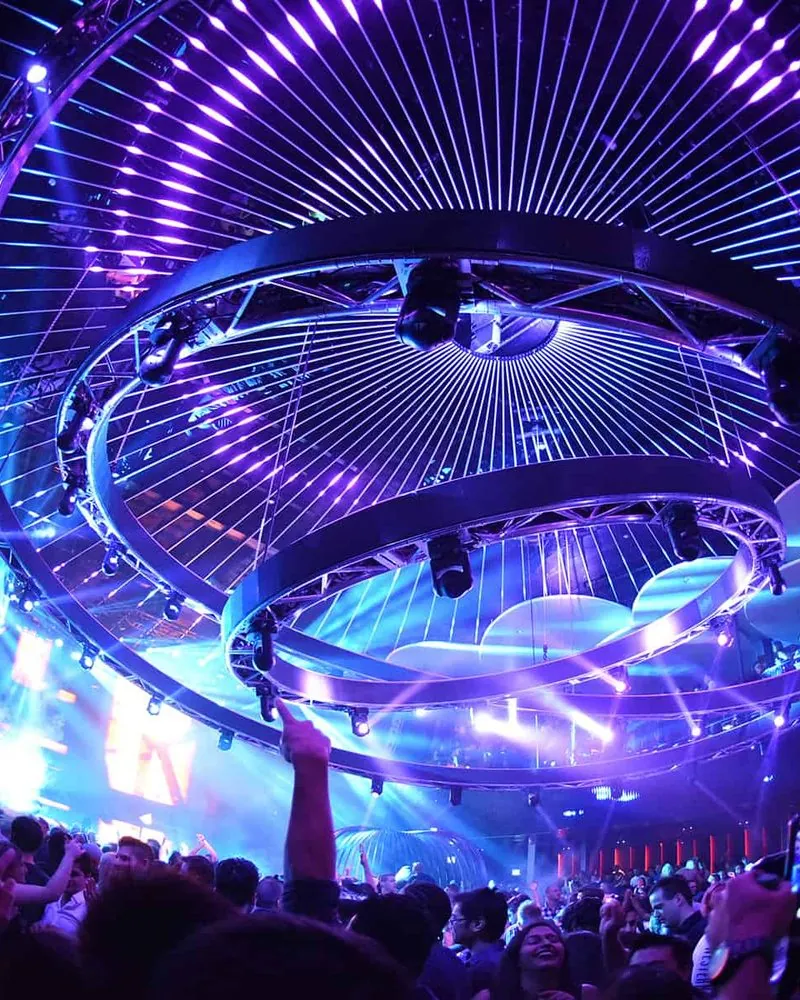
The framing: Toronto nightlife runs on a layer of unspoken social rules beyond the stated policies. The rules cover door behavior + group dynamics + bottle service interactions + dance floor norms + interpersonal approach etiquette + drinking moderation + bystander response. Knowing these rules — or learning them quickly — is what separates "the evening went well" from "the evening had friction throughout." This guide is for visitors and newer-to-nightlife locals; experienced Toronto club-goers will recognize most of this as obvious, which is exactly the point: it's only obvious if you already know it.
Door etiquette
Arrive together but in order
Groups arriving in a tight unit (everyone clustered at the door simultaneously) read as a higher-effort entry to door staff than groups arriving in reasonable order. The cluster looks like a coordinated push; the order looks like a group of people who happen to be entering at the same time. Same group, different signal. Walk up to the door in pairs or small subgroups, with the lead person handling ID presentation, while the rest of the group hangs back 3-5 feet. Once the lead is approved, others follow in turn.
One person leads the door interaction
If your group has a name on a guest list, a bottle service reservation, or any other prior arrangement, the person who made the arrangement does the talking. Don't have multiple people in the group simultaneously explaining what the reservation is, the time it was booked, who the contact was — that signals coordination problems and triggers door staff to slow down the process. One voice, clear and brief.
ID in hand before reaching the front
Have your ID out and ready before you're at the door. Fumbling for ID at the moment the door staff asks for it is the most-common entry friction. Make eye contact with the door staff, smile briefly, hand them the ID, wait. Don't engage in small talk unless they initiate. Don't make jokes about your age, your photo, or the venue's policies.
Don't shout, don't gesture, don't crowd
Door staff are trained to read crowd composition and behavior signals quickly. Loud voices, aggressive gestures, and door-crowding all read as escalation risk — even if the conversation is between members of your own group. Keep the volume low at the door area. If you need to discuss something within your group, step away from the door briefly.
The ratio question (and what to do about it)
Toronto upscale supperclubs and major nightclubs document a cited preference for mixed-gender groups (the "ratio" issue). Pure same-gender groups, particularly all-male groups, face more scrutiny at the door than mixed-gender groups. This is reported venue policy at much of the King West and Yorkville tier. If your group is all-male, plan for: arriving earlier in the evening when entry is easier, making bottle service reservations (which bypass most ratio concerns), or considering venues with less strict ratio enforcement (Queen West, Ossington, Annex, Leslieville, Little Italy all run less strict ratio policy than King West). For all-female groups, the inverse generally applies — door entry is easier, with some venues running explicit "ladies' nights" featuring no cover or other incentives.
When you get refused entry
This is the most important section of the guide because it's where the largest number of evenings go badly — not because of the refusal itself but because of what people do in response.
Accept calmly and leave
The single most important rule: do not argue. Do not raise your voice. Do not demand an explanation. Do not negotiate. The door staff have made a decision and they have authority to refuse without explanation under Ontario hospitality law (with limited exceptions for protected-class discrimination). Arguing changes the door staff's read of you from "didn't fit the door criteria tonight" to "is a problem we need to remove from the area" — which can result in being banned from returning later that night, being remembered the next time you try, or in extreme cases being added to industry-wide informal "do not admit" lists shared between venues. The cost of arguing is much higher than the cost of accepting the refusal.
Your three options after refusal
Once you've been refused, your realistic options are: (1) Walk to a different venue. The Toronto nightlife corridors are dense enough that another venue is usually within 5-10 minutes walk. King West has dozens of options within a few blocks. (2) Accept the refusal as part of the evening. Sometimes the door says no and you just don't get into that specific venue tonight. End the night gracefully or pivot to a less restrictive format (cocktail bar, restaurant-bar, casual neighborhood venue). (3) Come back another night with adjustments. If the refusal was likely about dress code, return with a different outfit. If it was about group composition, return with a different group structure. If it was about arrival time, return earlier.
Asking for a manager (when and how)
If you genuinely believe the refusal was discriminatory based on protected class (race, religion, gender, sexual orientation, disability) under Ontario Human Rights Code, you can request to speak with a manager. Be calm, brief, and specific: "I'd like to speak with a manager about my entry." Don't argue with the door staff while making the request. The manager may overturn the door decision or may confirm it. If the manager confirms the refusal and you genuinely believe it was discriminatory, your recourse is to file a complaint with the Ontario Human Rights Tribunal — not to argue further at the door.
For all other refusals
The Toronto door scene operates on judgment-and-discretion. Many refusals are because the venue is at capacity, because the door staff are managing crowd composition, because of details about your appearance or behavior that you can't reverse-engineer in the moment. Save the analysis for next-day reflection rather than door-side confrontation. Read How to Get Into Toronto Clubs for the full strategic framework on improving your odds.
Bottle service etiquette
Treat the host like a professional
Your bottle service host and table server are running multiple tables across the night. They're professionals managing complex operational logistics. Engage politely, communicate clearly about what you need, address them by name if they've introduced themselves. Don't summon staff with snapping fingers or aggressive gestures — a hand raise or eye contact is the right signal. Don't expect the host to manage your group's behavior — if someone in your group is causing issues, address it within the group.
Tip 18-20% on bottle minimum
This is the standard. $2,500 minimum = $450-$500 tip. $5,000 minimum = $900-$1,000 tip. Verify whether the venue automatically adds an 18% service charge before adding more. Tip in cash on the table where possible. If service was exceptional, tip more — up to 25%. Don't undertip; bottle service staff rely on tips, and undertipping is socially noticed in the venue ecosystem.
Don't try to negotiate or sneak out
The bottle minimum is the bottle minimum. Don't try to negotiate it down at the end of the night, don't claim service issues to reduce the bill, don't sneak out before settling. These behaviors get groups banned from the venue and can spread to other venues in the same ownership group. If there was a genuine service problem, address it with the manager calmly and with specifics — appropriate remediation may include partial bill adjustments at the venue's discretion, but you don't get to make that determination unilaterally.
The table is yours, the venue isn't
Your reserved table is your private space within the venue. But the dance floor, bar, washrooms, and other common areas are still shared with all other guests. Don't act as if buying a table means buying the venue's atmosphere. Don't have your group exclude other guests from common spaces, photograph other guests without permission, or use your table as a fortress that disrupts the broader venue flow. Other guests have equal claim on the dance floor and bar areas.
No outside alcohol, no gifts to non-table guests
Don't bring outside alcohol to the table (Ontario liquor licensing prohibits it and venues take it seriously). Don't pour drinks from your bottle for guests who aren't part of your party (creates licensing complications and reads as flashy in a way that doesn't land well with most Toronto venues). The bottle is for your reserved table.
Dance floor and personal space
Personal space matters even in crowded venues
Toronto club culture leans toward consent-aware physical interaction more than some other major North American cities. Don't grind on people you don't know. Don't reach across people to grab drinks. Don't push through crowds aggressively; use shoulder-checks and "excuse me" acknowledgments to move through. Don't lean on or against other guests as you move past.
Approaching people you're interested in
Read the signals first. Signs someone is open to engagement: eye contact, smiling, positioning near you, engaging in conversation when you start one. Signs they're not: actively avoiding eye contact, turning away, keeping their group as a buffer, giving short non-engaged responses. Respect the signs.
Polite first approach: a brief introduction with a way to refuse easily — "Hey, I noticed you. Mind if I introduce myself?" or "Can I buy you a drink?" These framings allow easy refusal without social cost. If declined, accept gracefully: brief acknowledgment ("of course, have a good night"), then move on. Don't stand around hoping they change their mind. Don't return repeatedly with new variations on the same approach. Don't enlist friends to interpret on your behalf.
Filming and photography
Don't film other guests without consent. Ontario voyeurism laws (Criminal Code Section 162.1) apply, and Toronto's social norms have become increasingly strict on consent-based filming and photography in nightlife contexts. Take photos of your own group, your own drinks, your own immediate context. If other people are unavoidably in your photo, frame so they're not identifiable, or ask them. Don't post photos of strangers without their permission.
Don't crowd the DJ booth
Unless invited, don't approach the DJ booth or make requests through the booth area. Most venues prohibit guest contact with the DJ. Make requests through the floor host or via the venue's online channels rather than physically approaching.
Don't block the stairs, bathroom lines, or exits
Group photos in stairwells, lobby areas, and bathroom corridors block the venue's flow and create safety issues. Take group photos in the main bar areas or at your table, not in transit corridors.
Drinking moderation and self-management
Stay in control of yourself, your group, and your decisions
Toronto venue staff are trained to identify and cut off visibly intoxicated guests — per AGCO regulations they're required to refuse service. The cultural norm: drink moderately enough to remain in control throughout the evening. The "in control" standard isn't about being completely sober; it's about being able to make reasonable decisions, manage your physical safety, and not require intervention from staff or your group.
If you're cut off
Accept it without arguing. The staff member is required by Ontario law to refuse service to visibly impaired guests; arguing only confirms their assessment. If you're cut off, accept water from the staff, sit down for a few minutes, and either continue the evening without alcohol or transition home. Don't try a different bartender at the same venue. Don't escalate to a manager (the manager will agree with the bartender). Don't move to a different venue while still impaired — the next venue will also refuse you.
Intervene within your group early
If a friend in your group is approaching the cut-off threshold, intervene early rather than waiting for staff to cut them off. Switch them to water for a round or two. Suggest food. Move to a quieter area. Group safety protocols apply most importantly here: see Toronto Nightclub Safety Guide for full safety frameworks including designated sober anchor, leave-together-arrive-together, and emergency contact protocols.
Don't pressure others to drink
If someone in your group isn't drinking or wants to stop, respect that immediately. Don't push shots, don't joke about their pace, don't make them justify their choice. The reasons someone might not drink (health, medication, recovery, religion, just not feeling it) are all valid and none require explanation. The most-experienced Toronto club-goers drink less than newer ones; pacing is part of nightlife competence.
Bystander response
Toronto's nightlife operates on a baseline assumption that guests look out for each other — both their own group and strangers in distress. The bystander effect (where everyone assumes someone else will help) is the cited failure mode. Knowing how to act when you see something matters.
If you see harassment or someone clearly in distress
The "Green Dot" bystander framework offers three valid intervention approaches:
- Direct: Approach the person being targeted (not the harasser) with something neutral that gives them an out: "Hey, are you good?" or "Sorry, do you know where the bathroom is?" This signals you've noticed and creates a moment for them to disengage from the situation.
- Delegate: Alert venue staff or security directly. Most Toronto upscale venues have trained staff for harassment intervention. Telling a bartender or security guard about a situation activates that infrastructure.
- Distract: Create a disruption that breaks the dynamic without confronting the harasser directly. Drop something, ask a question, start a conversation with the person being targeted.
Serious situations: call 911 or alert security immediately
If you suspect drugging, physical assault, or someone unable to consent: call 911 or alert security immediately. Don't wait, don't second-guess. Toronto venue security is trained to handle these situations; Toronto Police can respond within minutes in downtown nightlife corridors. False alarms are far less costly than missed serious incidents.
Don't try to fight or confront physically
Venue staff and police are trained for physical intervention; you're not. Confronting a harasser physically introduces injury risk to yourself and often escalates the situation rather than resolving it. Delegate to staff. The goal is the safety of the person at risk, not winning the confrontation.
If the person at risk is in your group
Standard group safety protocols apply — see Toronto Nightclub Safety Guide. The designated sober anchor monitors group composition throughout the night. If anyone in your group becomes separated, becomes severely impaired, or is in a situation that doesn't feel right, the group regroups and addresses the situation together.
End-of-night etiquette
Don't loiter outside
After last call (2am for standard venues), venues are required to clear guests within approximately 30 minutes. Loitering outside the venue after closing creates noise and crowd density issues that the venue is liable for. Move on to the next destination (after-hours, food, home) within a reasonable window after closing.
Rideshare staging
Order your rideshare while you're still inside the venue or within the venue's immediate area. Surge pricing is significant at 2am-3am close in nightlife corridors; ordering during the surge with a high price isn't avoidable, but ordering before you're standing on the street saves time. Confirm the driver's license plate, car make/model/color, and name match the app before getting in.
Don't drive impaired
Toronto has zero tolerance for impaired driving. Ontario penalties include license suspension at the first incident, plus fines, plus potential criminal charges. The math is straightforward: rideshare costs $20-$60; impaired driving conviction costs thousands plus career and personal impact. Don't drive. If you drove to the venue, accept the cost of leaving your car overnight and retrieving it next day.
Eat something
The end-of-night meal is a Toronto nightlife tradition for good reason — eating before going home helps with the next-morning recovery. Late-night Pho restaurants, dim sum in Chinatown, certain King West kitchens with extended hours, Kensington Market spots. Eating with your group also provides time to sober up before final transit home and reinforces group safety protocols.
Check on your group
Before everyone disperses for the night, confirm each person has a plan to get home safely. Designated sober anchor texts the group when each person arrives home. This last protocol is the noted predictor of safe nightlife evenings — the groups that close out the night with home-arrival confirmation are the groups that don't have post-night safety incidents.
Toronto Club Etiquette FAQ
What if I get refused entry?
Accept calmly and leave. Don't argue, don't raise voice, don't demand explanation, don't negotiate. Door staff have authority to refuse without explanation under Ontario law. Arguing changes you from "didn't fit tonight" to "is a problem to remove from area" with risk of being banned or remembered next time. Three options after refusal: walk to different venue, accept and end night gracefully, or return another night with adjustments. Save analysis for next-day reflection.
How should my group arrive at the door?
Together but in reasonable order, sober enough to walk straight + articulate, with ID in hand. Lead person handles door interaction; others hang back 3-5 feet. Mixed-gender groups easier; all-male groups face more scrutiny at upscale tier. Group 8+ should split into arrival waves or book bottle service. Don't shout, don't gesture aggressively, don't crowd door.
Bottle service etiquette?
Treat host/server as professionals. Engage politely + clear communication. Tip 18-20% on bottle minimum (verify automatic service charge). Don't summon staff aggressively. Don't negotiate minimum, don't sneak out. Don't bring outside alcohol. Don't photograph other guests without permission. Table is yours; venue isn't.
Dance floor etiquette?
Personal space matters even crowded. Don't grind on strangers. Read signals before approaching (eye contact + smiling + engagement = open; avoiding + turning away = not). Polite first approach with easy refusal option. If declined, accept gracefully. Don't film other guests without consent. Don't crowd DJ booth. Don't block stairs / bathroom lines / exits with group photos.
How much to tip?
Bartender $1-$2/drink or 15-20% tab. Cocktail server 18-20%. Bottle service 18-20% on minimum. Coat check $2-$5/coat. Restaurant 18-20% pre-tax. Cash where possible. Service workers' wages assume tip income.
Approaching someone you're interested in?
Read signals first. Polite first approach with easy refusal ("Mind if I introduce myself?" or "Can I buy you a drink?"). If declined, accept gracefully + move on. Don't stand around hoping they change mind. Don't return repeatedly. Don't enlist friends. Don't pretend to be part of their group's evening without invitation.
What about drinking too much?
Stay in control of self / group / decisions. AGCO requires staff to refuse service to visibly impaired. If cut off, accept without arguing. Intervene in your group early before they hit cut-off. Don't pressure others to drink. Experienced club-goers drink less than newer ones; pacing is competence.
If I see harassment?
Green Dot framework: Direct (approach the person being targeted with neutral out: "Are you good?"), Delegate (alert venue staff or security), Distract (create disruption that breaks dynamic). Serious situations: call 911 or alert security immediately. Don't fight physically — delegate to trained staff. Goal is safety of person at risk, not winning confrontation.